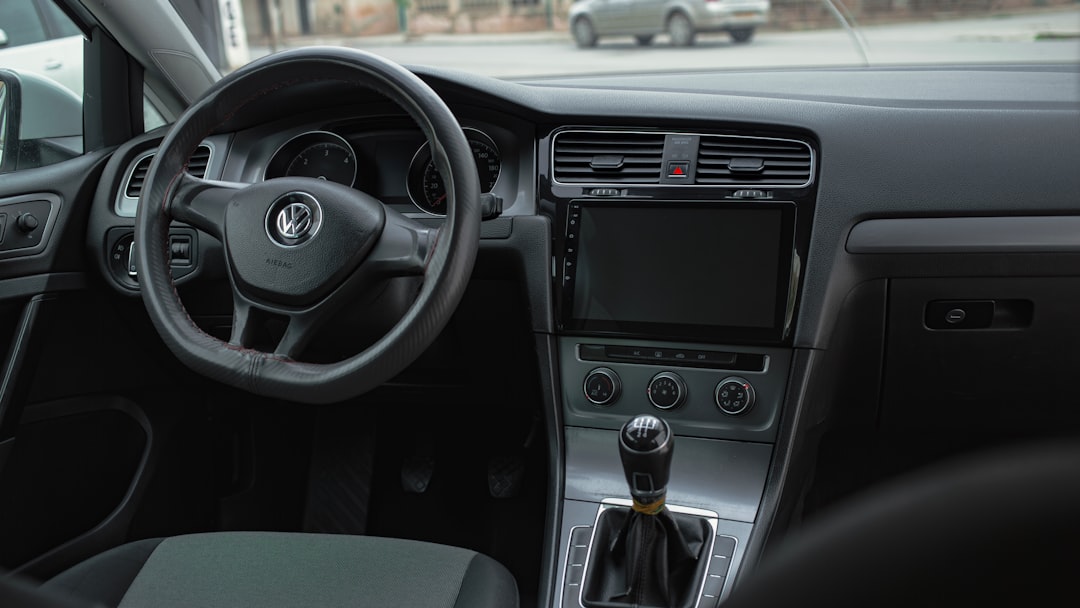
The vehicle you choose for your driving school affects everything—student confidence, safety, operating costs, and your professional image. This guide covers what to consider when selecting driver education cars and which models work best for instruction.
Whether you’re starting a driving school or replacing existing vehicles, choosing wisely impacts your business success. And don’t forget that driving school software helps manage your fleet operations efficiently. Learn more about Driving School Management Software. Explore Driving School Software: What’s Actually Available? solutions.
Key Considerations
Safety Features
Essential safety equipment:
- Anti-lock brakes (ABS)
- Electronic stability control (ESC)
- Multiple airbags
- Rearview camera
- Collision warning systems (where available)
- Lane departure warning (where available)
Why safety matters: Learners make mistakes. Modern safety features provide backup protection and build student confidence.
Dual Control Compatibility
Dual controls needed:
- Brake pedal (essential)
- Clutch pedal (manual vehicles)
- Accelerator override (some setups)
- Emergency handbrake access
Check before purchasing:
- Available dual control kits for the model
- Installation complexity
- Cost of installation and removal
- Maintenance requirements
Visibility
For learner confidence:
- Good all-round visibility
- Large windows
- Minimal blind spots
- Easy mirror positioning
- Clear dashboard layout
For instructor safety:
- View of mirrors from passenger seat
- Visibility of student’s feet and controls
- Space for instructor’s dual controls
Size and Manoeuvrability
Consider:
- Compact enough for manoeuvres
- Not too small (uncomfortable for lessons)
- Easy parking for learners
- Good turning circle
- Appropriate for test routes
Sweet spot: Supermini or small hatchback size typically works best for most learners.
Reliability and Durability
Demanding use:
- Multiple lessons daily
- Frequent starting and stopping
- Clutch wear (manual)
- Brake wear
- Various driving conditions
Look for:
- Proven reliability records
- Available parts and service
- Robust build quality
- Strong manufacturer warranty
Running Costs
Ongoing expenses:
- Fuel economy (significant for daily instruction)
- Insurance costs for learner use
- Servicing frequency and cost
- Tyre and brake replacement
- Depreciation rate
Calculate total cost per mile: Include all expenses to understand true operating costs.
Popular Driver Ed Vehicles
Ford Fiesta
Why it’s popular:
- Excellent visibility
- Good handling
- Reliable
- Wide dual control availability
- Common on UK roads
Specifications:
- Size: Supermini
- Fuel economy: 50-65 mpg
- Insurance group: Low
- Dual controls: Widely available
Considerations:
- Very popular choice means standardised experience
- Resale value affected by volume
Vauxhall Corsa
Why it’s popular:
- Comfortable driving position
- Modern interior
- Good safety features
- Affordable purchase
Specifications:
- Size: Supermini
- Fuel economy: 50-60 mpg
- Insurance group: Low
- Dual controls: Available
Considerations:
- Latest generation is popular choice
- Good visibility and controls
Volkswagen Polo
Why it’s popular:
- Solid build quality
- Premium feel
- Reliable
- Good residual values
Specifications:
- Size: Supermini
- Fuel economy: 45-55 mpg
- Insurance group: Low-medium
- Dual controls: Available
Considerations:
- Higher purchase price
- Strong reputation for quality
SEAT Ibiza
Why it’s popular:
- Based on VW platform (quality)
- Competitive pricing
- Good to drive
- Modern features
Specifications:
- Size: Supermini
- Fuel economy: 50-60 mpg
- Insurance group: Low-medium
- Dual controls: Available
Considerations:
- Similar quality to Polo at lower price
- Growing popularity for instruction
Toyota Yaris
Why it’s popular:
- Exceptional reliability
- Hybrid option available
- Low running costs
- Easy to drive
Specifications:
- Size: Supermini
- Fuel economy: 55-65 mpg (higher for hybrid)
- Insurance group: Low
- Dual controls: Available
Considerations:
- Hybrid models increasingly popular
- Excellent fuel economy
Kia Rio/Picanto
Why they’re popular:
- Competitive pricing
- Good warranty (7 years)
- Reliable
- Affordable to run
Specifications:
- Size: Supermini/City car
- Fuel economy: 50-60 mpg
- Insurance group: Low
- Dual controls: Available
Considerations:
- Excellent value proposition
- Good for budget-conscious operators
Manual vs. Automatic
Current Trends
Automatic growing:
- Increasing learner preference
- Automatic-only test option
- Easier for anxious learners
- Simpler to teach
Manual still important:
- Full licence flexibility
- Some employers require manual
- Rural areas may prefer
- Traditional expectation
Business Decision
Offering both:
- Broader market appeal
- Higher investment (two vehicles)
- Different pricing possible
- Cover all learner preferences
Single vehicle choice:
- Manual offers broader qualification
- Automatic may be easier to fill
- Consider local market preference
New vs. Used Vehicles
New Vehicle Advantages
Pros:
- Full warranty coverage
- Latest safety features
- Professional appearance
- Reliable from day one
- Finance options available
Cons:
- Higher initial cost
- Significant first-year depreciation
- May be over-specified for instruction
Used Vehicle Advantages
Pros:
- Lower initial investment
- Depreciation already absorbed
- Can buy outright (no finance)
- Still reliable if chosen well
Cons:
- No/limited warranty
- Unknown history risk
- May lack latest features
- Earlier replacement needed
Optimal Age
Sweet spot for driving school cars:
- 1-3 years old
- Major depreciation passed
- Still under manufacturer warranty (possibly)
- Modern features present
- Reliable for several more years
Avoid:
- Very old vehicles (reliability concerns)
- Very new (depreciation hit)
- High-mileage ex-fleet cars (wear concerns)
Electric and Hybrid Considerations
Electric Vehicles for Instruction
Advantages:
- Lower running costs
- Environmental image
- Automatic transmission
- Quiet operation
- Modern appeal
Challenges:
- Range anxiety for lessons
- Charging infrastructure needed
- Higher purchase price
- Different driving characteristics
- Dual control availability limited
Current verdict: Hybrid offers good balance; pure electric becoming more viable.
Hybrid Vehicles
Advantages:
- Excellent fuel economy
- No range concerns
- Lower emissions
- Growing popularity
- Dual controls available for some models
Popular hybrid options:
- Toyota Yaris Hybrid
- Honda Jazz Hybrid
- Renault Clio Hybrid
Fleet Management Considerations
How Many Vehicles?
Start with:
- One vehicle initially
- Add as demand grows
- Consider backup vehicle
Scaling:
- One vehicle per instructor typically
- Backup for maintenance periods
- Mix of manual/automatic if appropriate
Standardisation
Benefits of same model:
- Bulk purchase discounts
- Parts inventory simplification
- Instructor familiarity
- Student consistency
- Maintenance efficiency
Mixed fleet considerations:
- Different models for different purposes
- Manual and automatic options
- Instructor preferences
Replacement Cycle
Typical replacement:
- Every 3-5 years
- 60,000-100,000 miles
- Before major maintenance needed
- While resale value reasonable
Planning ahead:
- Budget for replacements
- Stagger purchases to spread cost
- Consider lease vs. purchase
Financing Options
Outright Purchase
Advantages:
- No monthly payments
- Full ownership
- No mileage restrictions
- Sell when desired
Disadvantages:
- Large upfront cost
- Ties up capital
- Depreciation risk on you
Hire Purchase
Advantages:
- Spread cost over time
- Own vehicle at end
- Often competitive rates
- Flexible deposit
Disadvantages:
- Interest costs
- Committed to term
- Vehicle as security
Personal Contract Purchase (PCP)
Advantages:
- Lower monthly payments
- Flexibility at end
- Regular updates possible
Disadvantages:
- Mileage restrictions
- Condition requirements
- May not own at end
Contract Hire (Leasing)
Advantages:
- Fixed monthly cost
- Maintenance may be included
- Regular vehicle updates
- No depreciation risk
Disadvantages:
- Never own the vehicle
- Mileage penalties
- Condition requirements
- Long-term higher cost
Insurance Considerations
Instructor Insurance Requirements
Coverage needed:
- Business use
- Dual-controlled vehicle
- Learner driver cover
- Public liability
- Legal protection
Factors affecting cost:
- Vehicle make and model
- Your experience and claims history
- Annual mileage
- Location
- Security features
Reducing Insurance Costs
Strategies:
- Choose lower insurance group vehicles
- Build no-claims history
- Security devices
- Limited mileage declarations (if appropriate)
- Shop around annually
Summary
Choosing driver ed cars involves balancing:
- Safety — Modern features protecting students and instructors
- Practicality — Visibility, size, dual control compatibility
- Reliability — Durability for demanding instruction use
- Cost — Purchase price, running costs, depreciation
- Image — Professional appearance, modern features
Popular choices like the Ford Fiesta, Vauxhall Corsa, and Toyota Yaris remain popular for good reasons—proven reliability, good visibility, and dual control availability.
Manage Your Fleet Efficiently
Whether you have one vehicle or many, MyDriveSchool.Software helps manage scheduling, student progress, and business operations effectively. Learn more about Driving School Scheduling Software.
Start your free trial and streamline your driving school operations.