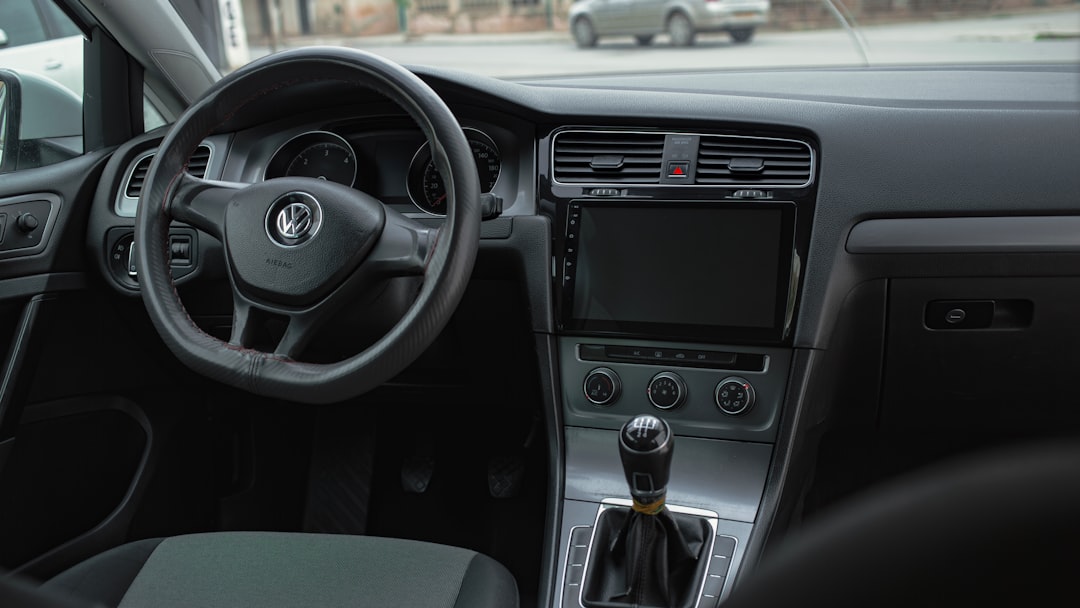
When becoming a driving instructor, one of the first decisions is whether to join a franchise or operate independently. Both paths have merits, and the right choice depends on your circumstances, goals, and preferences.
This guide provides an honest comparison to help you decide. Whatever path you choose, driving school software helps manage your business effectively.
Understanding the Options
What Is a Driving School Franchise?
A franchise arrangement where you operate under an established brand:
What you typically receive:
- Use of recognised brand name
- Marketing and lead provision
- Training and ongoing support
- Administrative systems
- Booking and payment handling
What you typically pay:
- Weekly franchise fee (£100-£250+)
- May include car hire or require own vehicle
- Additional costs for leads or premium services
What you give up:
- Pricing control (often set rates)
- Full independence
- Building your own brand
- Portion of earnings indefinitely
What Is Operating Independently?
Running your own driving instruction business:
What you get:
- Complete control over everything
- Keep all your earnings
- Build your own brand
- Set your own prices
- Choose your own systems
What you need to provide:
- Your own marketing
- Administrative systems
- Vehicle and insurance
- All business development
Major Driving School Franchises
AA Driving School
Model: Instructor partnership Weekly fee: Varies (often £200+) Vehicle: Own or hire options Lead provision: Yes
Pros:
- Strong brand recognition
- Established systems
- Training provided
Cons:
- Higher fees
- Less flexibility
- Brand not always best locally
RED Driving School
Model: Instructor franchise Weekly fee: Competitive Vehicle: Own vehicle typically Lead provision: Yes
Pros:
- National presence
- Marketing support
- Modern systems
Cons:
- Still franchise limitations
- Ongoing costs
- Brand dependent
BSM (British School of Motoring)
Model: Long-established franchise Weekly fee: Varies Vehicle: Various options Lead provision: Yes
Pros:
- Oldest brand recognition
- Established training
- National coverage
Cons:
- Brand perception varies
- Franchise costs
- Less modern in some areas
Local/Regional Franchises
Model: Smaller operations Weekly fee: Often lower Vehicle: Typically own Lead provision: Varies
Pros:
- Lower costs possibly
- More personal support
- Local market focus
Cons:
- Less brand recognition
- Smaller support system
- Variable quality
Financial Comparison
Franchise Costs
Typical weekly breakdown:
| Expense | Franchise | Amount |
|---|---|---|
| Franchise fee | Required | £100-£250/week |
| Vehicle (if hire) | Optional | £150-£250/week |
| Insurance | Required | £30-£60/week |
| Fuel | Required | £60-£100/week |
| Weekly total | £340-£660 |
Annual franchise costs: £17,500-£34,000+
Independent Costs
Typical weekly breakdown:
| Expense | Independent | Amount |
|---|---|---|
| Vehicle (finance) | Required | £50-£100/week |
| Insurance | Required | £30-£60/week |
| Fuel | Required | £60-£100/week |
| Marketing | Required | £20-£50/week |
| Admin/software | Required | £10-£20/week |
| Weekly total | £170-£330 |
Annual independent costs: £8,800-£17,000
Income Comparison
Assumptions:
- 30 teaching hours/week
- 45 weeks/year
- Average rate £35/hour
Gross income: 30 × 45 × £35 = £47,250
Net income comparison:
| Model | Gross | Costs | Net |
|---|---|---|---|
| Franchise (high) | £47,250 | £34,000 | £13,250 |
| Franchise (low) | £47,250 | £17,500 | £29,750 |
| Independent (high) | £47,250 | £17,000 | £30,250 |
| Independent (low) | £47,250 | £8,800 | £38,450 |
Note: Franchise may provide more work, affecting gross income.
Calculate Your Driving School Earnings
Model your potential income, costs, and profitability with our free calculator. Get your effective hourly rate (what you actually earn per hour after discounts, no-shows, and expenses), break-even analysis, and compare to UK ADI averages.
Run the CalculatorAdvantages of Franchising
Brand Recognition
Benefits:
- Immediate credibility
- Searchable brand name
- Established reputation
- Trust from brand awareness
Reality check: Brand recognition varies by area. AA may be strong nationally but less meaningful locally than a popular independent.
Lead Generation
What franchises provide:
- National advertising
- Website leads
- Call centre booking
- Marketing you don’t do yourself
Reality check: Quality and quantity of leads varies. Some franchisees complain about insufficient leads despite fees.
Support and Training
What’s typically available:
- Initial training (PDI to ADI)
- Ongoing professional development
- Standards check preparation
- Business guidance
Reality check: Quality varies between franchises. Some offer excellent support; others provide minimum.
Administrative Simplicity
Handled by franchise:
- Booking systems
- Payment processing
- Marketing
- Some admin tasks
Reality check: You’re still running a business. Self-employment requires you to handle taxes, records, and many admin tasks regardless.
Advantages of Independence
Financial Control
Keep more earnings:
- No ongoing franchise fees
- Set your own prices
- Control all spending
- Build business value
Long-term impact: Over 10 years, the difference between franchise and independent costs could be £100,000+.
Flexibility
Control over:
- Working hours
- Lesson pricing
- Service offerings
- Marketing approach
- Business development
Why it matters: You can experiment, adapt, and optimise without approval processes.
Building Your Own Brand
Long-term benefits:
- Asset you can sell
- Reputation is yours
- Referral network you control
- Not dependent on franchise decisions
Reality check: Building a brand takes time and effort. Franchise provides shortcut but not ownership.
Technology Choice
Choose your own:
- Driving school software
- Booking systems
- Payment processing
- Marketing tools Explore Driving School Management Software solutions. Learn more about Driving School Scheduling Software. Explore Driving School Software: What’s Actually Available? solutions.
Franchise limitation: Often required to use franchise systems even if better options exist.
Making the Decision
Franchise May Suit You If:
Experience level:
- New to self-employment
- Value structured support
- Prefer established systems
- Uncertain about marketing
Financial situation:
- Can afford ongoing fees
- Willing to trade income for support
- Want predictable costs
Personality:
- Comfortable following systems
- Don’t need complete control
- Value brand association
Independence May Suit You If:
Experience level:
- Business or self-employment experience
- Confident in marketing ability
- Comfortable with uncertainty
- Enjoy building things
Financial situation:
- Want maximum earnings potential
- Have startup capital
- Willing to invest in marketing
Personality:
- Value autonomy
- Entrepreneurial mindset
- Want to build own brand
Questions to Ask Yourself
- How important is immediate credibility?
- Can I generate my own leads?
- What’s my tolerance for financial risk?
- Do I want to follow systems or create them?
- What are my long-term goals?
Transitioning Between Models
Starting Franchise, Going Independent
Common path:
- Learn business under franchise umbrella
- Build skills and confidence
- Develop reputation and referrals
- Leave franchise with client base
Considerations:
- Non-compete clauses
- Taking clients (contractual limits)
- Timeline to build independent brand
Independent to Franchise
Reasons to consider:
- Struggling with lead generation
- Wanting more support
- Reducing workload
- Changing circumstances
Considerations:
- Giving up independence
- Ongoing cost commitment
- Brand alignment
Hybrid Approaches
Part-Time Franchise
Some franchises offer:
- Lower fees for part-time
- Flexible arrangements
- Supplementary work
May suit:
- Those testing the career
- Part-time instructors
- Seasonal flexibility
Networking Without Franchise
Alternatives:
- Local instructor associations
- Informal referral networks
- Non-binding partnerships
- Shared marketing initiatives
Benefits:
- Independence maintained
- Community support
- Shared learning
- No ongoing fees
Summary
Franchise advantages:
- Brand recognition
- Lead provision
- Training and support
- Administrative help
- Structured approach
Franchise disadvantages:
- Ongoing fees (£5,000-£15,000+/year)
- Limited flexibility
- No brand ownership
- Pricing restrictions
- System requirements
Independence advantages:
- Keep more earnings
- Complete control
- Build own brand
- Full flexibility
- Long-term asset
Independence disadvantages:
- Self-marketing required
- All responsibility on you
- No institutional support
- More uncertainty initially
Neither is universally better—choose based on your situation, personality, and goals.
Run Your Business Your Way
Whatever path you choose, MyDriveSchool.Software helps you manage scheduling, student progress, and business operations on your terms—without franchise restrictions.
Start your free trial and build the driving instruction business you want.