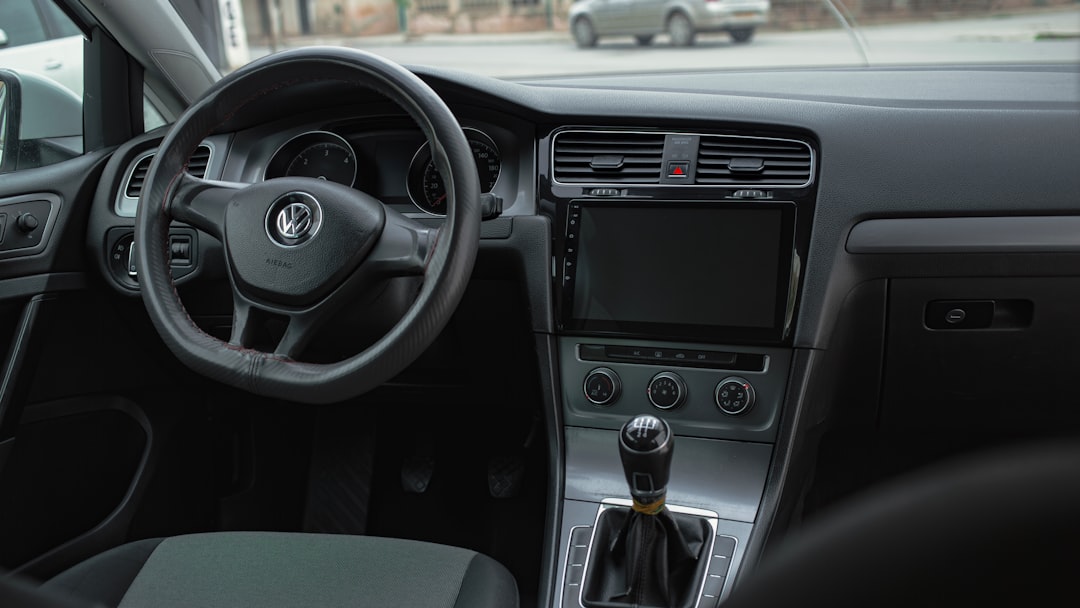
Proper insurance is essential for any driving instruction business. Without adequate coverage, a single incident could end your career and leave you financially devastated. This guide explains the insurance requirements for driving schools and instructors.
Whether you’re starting a driving school or reviewing your current coverage, understanding insurance helps protect your livelihood. And driving school software helps document lessons and manage your business professionally.
Why Driving Instructor Insurance Matters
The Risks
What can go wrong:
- Student causes accident during lesson
- Third-party injury or property damage
- Vehicle damage beyond normal wear
- Student injury claims
- Professional negligence allegations
- Business interruption
Without proper insurance:
- Personal financial liability
- Potential bankruptcy
- Loss of ADI licence
- Criminal liability in some cases
- Career-ending consequences
Legal Requirements
Mandatory coverage:
- Valid motor insurance for driving instruction use
- Vehicle must be insured for business use
- Learner driver coverage explicitly included
- Dual-controlled vehicle coverage
Penalty for inadequate insurance:
- Fixed penalty up to £300
- 6-8 points on licence
- Vehicle seizure possible
- Prosecution for serious cases
Types of Insurance Coverage
Driving Instructor Motor Insurance
What it covers:
- Vehicle damage (comprehensive)
- Third-party damage and injury
- Learner drivers using your vehicle
- Business use during lessons
Key features to check:
- Dual-control vehicle coverage
- Named learner or any learner coverage
- Private use included
- Courtesy car provision
- Legal expenses
Typical costs: £1,500-£4,000+ annually
Public Liability Insurance
What it covers:
- Third-party injury during business activities
- Property damage by your business
- Legal defence costs
- Compensation payouts
Why you need it: A student trips at your premises or a pedestrian is injured. Covers non-driving business activities.
Coverage levels: £1 million to £5 million typical
Typical costs: £100-£300 annually
Professional Indemnity Insurance
What it covers:
- Claims of negligent advice or instruction
- Errors in service delivery
- Failure to meet professional standards
- Legal defence costs
Example claims:
- Student claims your teaching caused them to fail test
- Alleged poor instruction contributing to accident
- Professional negligence allegations
Typical costs: £150-£400 annually
Personal Accident Insurance
What it covers:
- Your injury during work
- Income protection if unable to work
- Medical expenses
- Death or permanent disability benefits
Why it matters: You’re in a vehicle with learner drivers daily. If injured, your income stops.
Typical costs: £100-£300 annually
Breakdown Cover
Why it’s important:
- Lesson interruption minimised
- Professional service maintained
- Student not stranded
- Reduces financial impact of breakdowns
Features to look for:
- Roadside and home assistance
- Recovery to garage
- Courtesy car provision
- Quick response times
Typical costs: £60-£150 annually
Coverage for Different Situations
Sole Trader Instructors
Minimum coverage:
- Driving instructor motor insurance
- Public liability
- Personal accident recommended
- Breakdown cover recommended
Total typical cost: £1,800-£3,500 annually
Franchise Instructors
Check what franchise provides:
- Some include insurance packages
- May have preferred providers
- Understand what’s covered vs. your responsibility
You may still need:
- Top-up personal accident
- Additional liability coverage
- Own business insurance
Multi-Vehicle/Staff Operations
Additional considerations:
- Fleet insurance options
- Employers’ liability (mandatory if staff)
- All vehicles covered appropriately
- Named drivers or any qualified driver
Employers’ liability: Required by law if you employ anyone
Shopping for Insurance
Specialist Providers
Use driving instructor specialists:
- Understand the industry
- Appropriate coverage
- Competitive pricing
- Claims experience
General insurers: May not understand dual-control, learner driver, or instruction-specific needs.
What to Compare
Policy features:
| Feature | Essential | Desirable |
|---|---|---|
| Dual control coverage | ✓ | |
| Any learner cover | ✓ | |
| Comprehensive damage | ✓ | |
| Legal expenses | ✓ | |
| Courtesy car | ✓ | |
| Personal belongings | ✓ | |
| Business interruption | ✓ | |
| Excess level | Check |
Questions to Ask
Before purchasing:
- Is dual-controlled vehicle specifically covered?
- Are all learner drivers covered or just named?
- What’s the excess for different claim types?
- Is private use included?
- What’s the courtesy car policy?
- How are claims handled?
- What discounts are available?
Getting Quotes
Information needed:
- Personal details and driving history
- ADI badge details
- Vehicle information
- Annual mileage
- Claims history
- Business structure
Tips:
- Get multiple quotes (minimum 3)
- Don’t just compare price—compare coverage
- Check excess levels carefully
- Read policy documents thoroughly
- Understand exclusions
Reducing Insurance Costs
Factors Affecting Price
What insurers consider:
- Driving history and claims
- ADI experience
- Vehicle make and model
- Location
- Annual mileage
- Age
- Security features
Ways to Lower Premiums
Legitimate savings:
- Build no-claims history
- Install approved security devices
- Choose lower insurance group vehicles
- Increase voluntary excess (carefully)
- Pay annually vs. monthly
- Multi-policy discounts
- Professional body membership discounts
What NOT to do:
- Understate mileage
- Omit claims history
- Misrepresent business use
- Skimp on essential coverage
Claims Process
If an Incident Occurs
Immediate steps:
- Ensure everyone’s safety
- Call emergency services if needed
- Exchange details with other parties
- Document everything (photos, witnesses)
- Note exact time, location, circumstances
- Report to insurer promptly
Documentation
Keep records of:
- Lesson booking records
- Student progression notes
- Vehicle maintenance logs
- Incident details
- Witness information
- Correspondence
Why documentation matters: Driving school software helps maintain records that support your position in claims. Check out Driving School Management Software. Check out Driving School Scheduling Software. See how Driving School Software: What’s Actually Available? can help.
Claim Handling
What to expect:
- Insurer investigation
- Possible independent assessment
- Negotiations if third-party involved
- Repair or replacement arrangements
- Potential excess payment
Annual Review
Review Checklist
Each renewal:
- Has your situation changed?
- Are coverage levels still appropriate?
- What’s available in the market?
- Any claims or incidents to disclose?
- Vehicle still suitable for coverage?
Policy Changes to Consider
As you grow:
- Additional vehicles
- Employing instructors
- Business expansion
- New services offered
Common Insurance Mistakes
Underinsuring
Problem: Saving money with inadequate coverage. Risk: Claim exceeds coverage, you pay the difference.
Wrong Vehicle Use Class
Problem: Car insured for personal not business use. Risk: Claim rejected, policy voided, prosecution.
Not Disclosing Changes
Problem: Business changes not reported. Risk: Policy voided when you need it.
Ignoring Renewal
Problem: Policy lapses without new cover. Risk: Driving uninsured, prosecution, no coverage.
Insurance and Professional Standards
DVSA Requirements
As ADI, you must:
- Maintain valid business insurance
- Provide evidence if requested
- Notify DVSA of changes affecting fitness to practice
Industry Standards
Best practice:
- Adequate coverage beyond minimums
- Regular policy reviews
- Clear documentation
- Professional claims handling
Summary
Driving school insurance essentials:
- Motor insurance — Covering instruction, learners, dual controls
- Public liability — Third-party protection
- Professional indemnity — Instruction claims coverage
- Personal accident — Your income protection
- Regular review — Annual policy assessment
Never compromise on insurance. The cost of coverage is insignificant compared to the cost of being uninsured when you need it.
Manage Your Professional Business
MyDriveSchool.Software helps maintain the professional records and documentation that support your business and insurance needs.
Start your free trial and run your driving school professionally.